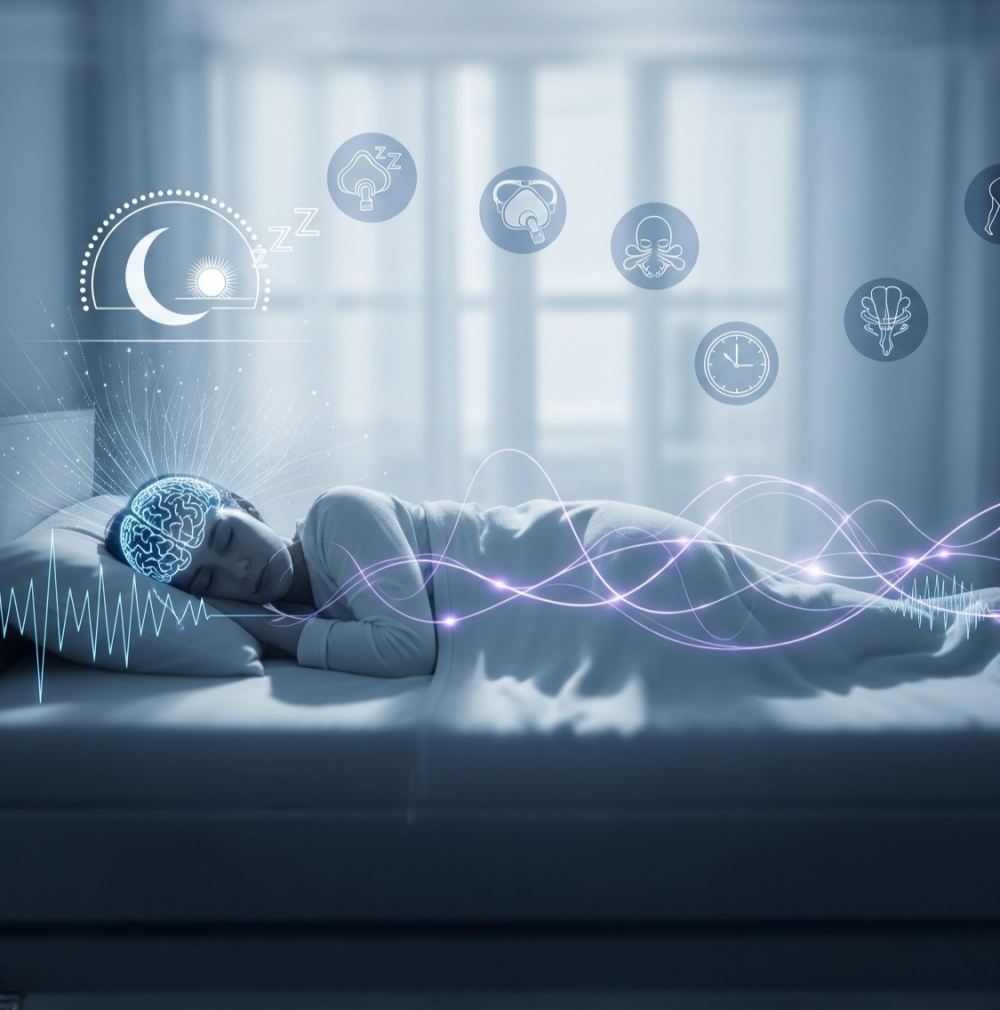
Sleep is vital for health, tissue repair, and hormone regulation. A sleep disorder interferes with achieving quality, restful sleep, leading to daytime fatigue and increased risk of chronic diseases (hypertension, diabetes, cardiovascular disease).
We know sleep is a biological necessity. We provide science-based care to uncover the underlying causes
Sleep disorders are medical conditions preventing restorative rest. Common types include:
Insomnia: Difficulty falling/staying asleep, often linked to stress.
Sleep Apnea: Breathing stops repeatedly during sleep (snoring/choking), causing fragmented rest.
Restless Legs Syndrome (RLS): Uncontrollable urge to move legs at night.
Disrupted sleep impairs memory consolidation, immunity, and mood. Warning signs include excessive daytime fatigue, loud snoring, and poor focus.
Our approach targets root causes, assessing both Circadian Rhythm (internal clock) and behavioral factors. Through specialized diagnostics and lifestyle guidance (sleep hygiene, stress management), we empower you to restore the balance between sleep duration and quality for truly restorative rest. When you sleep better, you truly live better.

Sleep disorders are multifactorial, meaning they arise from the complex, interacting combination of factors that disrupt the body’s primary sleep regulatory systems: the circadian rhythm (the internal biological clock) and the sleep-wake homeostat. Identifying these root causes is the most critical step for designing effective, personalized treatment.
The main triggers fall into three categories:
Lifestyle & Behavioral: These include maintaining an irregular sleep schedule, excessive screen time (which suppresses melatonin), chronic stress (elevating cortisol), poor sleep hygiene, and use of caffeine or alcohol.
Physical & Medical: Conditions like Obesity (leading to Sleep Apnea via airway narrowing), Chronic Pain, Hormonal Imbalances (Menopause, Thyroid Disorders), and Mental Health Conditions (Depression, Anxiety) directly cause Insomnia.
Environmental & Genetic: Factors like noise, Artificial Light Exposure in the bedroom, and Genetic Predisposition (RLS, Narcolepsy) also contribute to sleep disruption.
Our specialists utilize a multidimensional approach and advanced diagnostics to examine all medical, psychological, and environmental factors. We develop personalized strategies that restore balance to your natural sleep cycle. Understanding the “why” behind your poor sleep is essential for achieving restorative, consistent sleep and renewed vitality.

Accurate diagnosis is the critical first step in effective sleep management. At WellGen Health, we use a comprehensive, evidence-based diagnostic pathway to uncover the root cause of your sleep difficulties.
Our specialists use a structured, multi-step process:
Clinical Evaluation: Detailed review of sleep history, daytime symptoms (sleep apnea, circadian rhythm disruption), medical conditions (hypertension, thyroid imbalance), and medication use.
Objective Monitoring:
Home Sleep Testing (HST): Convenient portable test to detect straightforward Sleep Apnea (OSA).
Overnight Polysomnography (PSG): The gold standard for complex cases, recording brain waves, oxygen, and body movements to diagnose OSA, narcolepsy, and parasomnias.
Specialized Tests: Actigraphy (circadian rhythm) and MSLT/MWT (daytime sleepiness).
We provide a detailed Diagnostic Report with a precise diagnosis. Your personalized plan includes tailored options such as CPAP/BiPAP therapy or Cognitive-Behavioral Therapy for Insomnia (CBT-I). Timely detection prevents complications and restores optimal health.
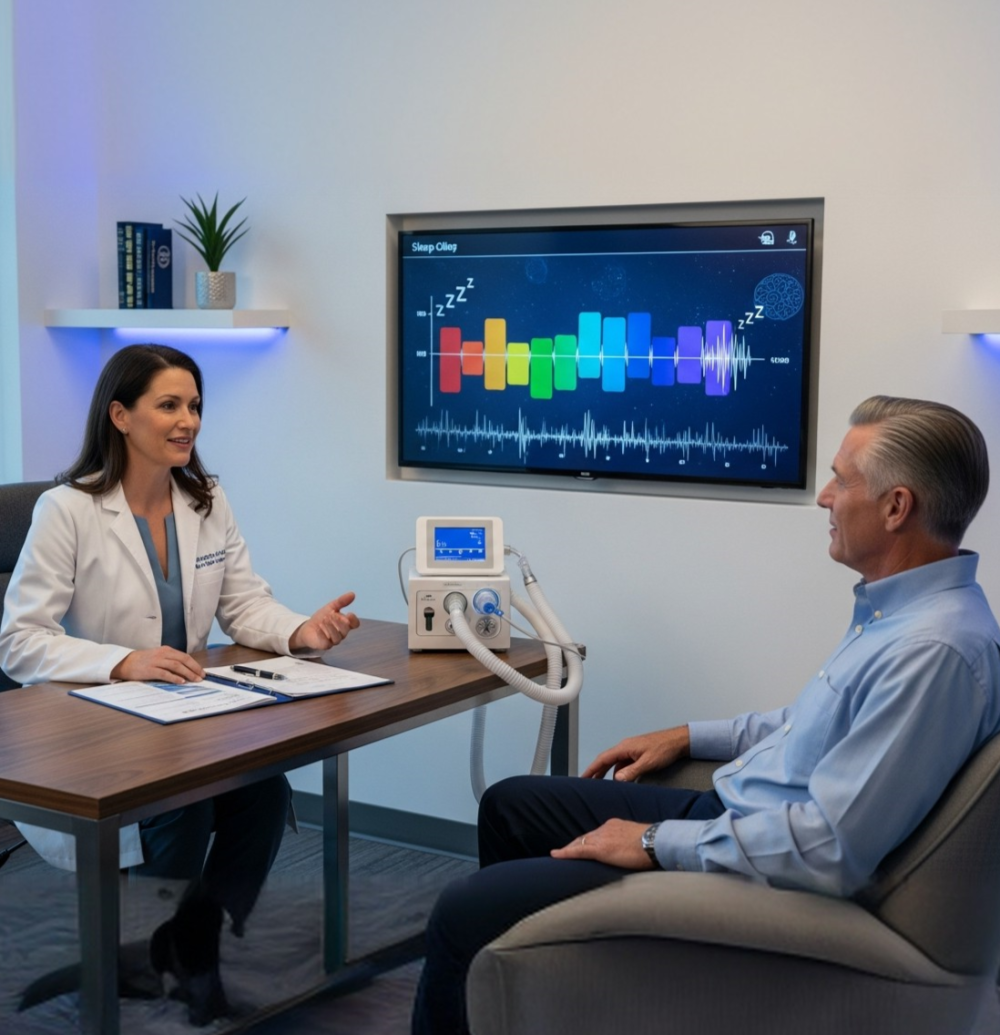
Managing a sleep disorder requires a comprehensive, personalized approach that targets the root cause to restore natural sleep cycles and support well-being. WellGen Health blends behavioral, medical, and technological solutions
Sleep hygiene forms the foundation, regulating the circadian rhythm:
CBT-I: The gold-standard, non-pharmacological treatment for chronic insomnia. CBT-I uses structured techniques (cognitive restructuring, stimulus control).
Coaching: Includes maintaining a consistent sleep schedule, avoiding stimulants and screen time.
Customized medical treatments for physiological conditions:
Sleep Apnea: Treatment keeps the airway open, primarily through CPAP or Oral Appliances.
Other Disorders: Management for RLS and Narcolepsy involves correcting underlying causes and medication therapy.
Continuous data tracking and regular reviews ensure the plan remains effective. By addressing root causes holistically, WellGen Health helps patients achieve better mood, memory, and cardiovascular benefits.

Sleep is the foundation of your physical health and mental clarity. Persistent fatigue and poor concentration are signs your body needs professional help. Our Sleep Disorder Management Program targets the root cause of conditions like insomnia, sleep apnea, and restless legs syndrome (RLS).
We manage common conditions: Insomnia (stress/anxiety related), Obstructive Sleep Apnea (OSA) (interrupted breathing/snoring), and Narcolepsy. Chronic sleep loss is linked to increased risks of heart disease, diabetes, and anxiety.
Our comprehensive treatment plans are customized to your unique needs:
State-of-the-Art Diagnostics: We use home sleep testing or polysomnography to pinpoint disruptions.
Tailored Treatment: Interventions include Cognitive Behavioral Therapy for Insomnia (CBT-I), CPAP therapy for Sleep Apnea, or medication/lifestyle changes.
Ongoing Follow-up: Regular checks ensure continuous improvement.
We empower you to take charge of your sleep. By helping you achieve better sleep quality, we are also improving your long-term health and resilience. Schedule your consultation today! Call +1 (214) 238-3074.
FAQ’s
Everything you need to know about Wellgen & how it can thrive your business.
WellGen Health offers a comprehensive, science-based Sleep Disorder Management program designed to uncover and treat the root causes of sleep problems so patients can achieve truly restorative rest. The program assesses both circadian rhythm (the body’s internal clock) and behavioral factors, using specialized diagnostics, personalized treatment plans, lifestyle guidance, and ongoing monitoring. Their holistic approach helps patients improve sleep quality and duration, leading to better mood, memory, immunity, cardiovascular health, and overall vitality. They emphasize that “when you sleep better, you truly live better.”
Sleep is a biological necessity and an active restorative process, just as vital as nutrition and exercise. It supports tissue repair, hormone regulation, muscle growth, immune strengthening, memory consolidation, emotional processing, and brain function. Quality sleep completes full cycles of non-REM (physical recovery) and REM (cognitive and emotional restoration) stages. Disrupted or poor-quality sleep prevents these processes, leading to daytime fatigue, impaired focus, mood changes, weakened immunity, and higher risk of chronic diseases such as hypertension, diabetes, obesity, and cardiovascular disease.
Sleep disorders are recognized medical conditions that disturb the natural sleep-wake cycle, affecting sleep duration, quality, timing, or rhythm and causing significant daytime impairment. They interfere with achieving restful, restorative sleep and can increase the risk of serious health problems if left untreated. WellGen Health views them as multifactorial conditions arising from disruptions to the circadian rhythm and sleep-wake homeostat.
The main disorders addressed include Insomnia (difficulty falling or staying asleep, often linked to stress, anxiety, or poor habits), Obstructive Sleep Apnea or Sleep Apnea (repeated breathing pauses during sleep due to airway obstruction, marked by loud snoring, gasping, or choking), Restless Legs Syndrome or RLS (uncontrollable urge to move the legs at night with uncomfortable sensations), and Narcolepsy (overwhelming daytime sleepiness and sudden muscle weakness). Other conditions mentioned include circadian rhythm disorders, parasomnias (such as sleepwalking), and bruxism (teeth grinding).
Common warning signs include difficulty falling or staying asleep most nights, excessive daytime sleepiness or fatigue, loud snoring, gasping, or choking during sleep, restless movements or leg discomfort at night, frequent tossing and turning, difficulty concentrating or forgetfulness, mood swings or irritability, and waking up unrefreshed even after a full night in bed. Persistent symptoms like these warrant professional evaluation.
Sleep disorders are multifactorial and result from disruptions to the circadian rhythm and sleep-wake homeostat. Main triggers fall into three categories: Lifestyle & Behavioral (irregular sleep schedules, excessive screen time/blue light suppressing melatonin, chronic stress elevating cortisol, poor sleep hygiene, caffeine or alcohol use); Physical & Medical (obesity leading to airway narrowing in apnea, chronic pain, hormonal imbalances such as menopause or thyroid disorders, mental health conditions like depression or anxiety); and Environmental & Genetic (noise, artificial light exposure, genetic predisposition to RLS or narcolepsy). Identifying these root causes is essential for effective, personalized treatment.
Accurate diagnosis begins with a comprehensive, evidence-based evaluation. It includes a detailed clinical evaluation reviewing sleep history, daytime symptoms, medical conditions, and medications, followed by objective monitoring. This may involve Home Sleep Testing (HST) for straightforward obstructive sleep apnea cases, Overnight Polysomnography (PSG) as the gold standard for complex cases (recording brain waves, oxygen levels, and movements), Actigraphy for circadian rhythm assessment, and MSLT/MWT tests for daytime sleepiness. Patients receive a detailed diagnostic report and a tailored treatment plan.
Home Sleep Testing (HST) is a convenient, portable test used primarily to detect straightforward obstructive sleep apnea in the comfort of the patient’s home. Overnight Polysomnography (PSG) is the gold-standard in-lab test that provides more comprehensive data by recording brain waves, oxygen saturation, breathing patterns, heart rhythm, and body movements. PSG is preferred for complex cases, suspected narcolepsy, parasomnias, or when HST results are inconclusive. WellGen uses both as part of a structured diagnostic pathway.
Treatment is personalized and targets root causes using a blend of approaches. Lifestyle and behavioral strategies form the foundation, including sleep hygiene education and Cognitive Behavioral Therapy for Insomnia (CBT-I). Medical and device-based interventions include CPAP or BiPAP therapy and oral appliances for sleep apnea, plus medication or underlying condition management for RLS and narcolepsy. Ongoing monitoring, data tracking, and regular follow-ups ensure long-term success and adjustments as needed.
CBT-I is the gold-standard, non-pharmacological treatment for chronic insomnia. It uses structured techniques such as cognitive restructuring (changing unhelpful thoughts about sleep) and stimulus control (strengthening the bed-sleep association) to improve sleep without relying on medication. WellGen incorporates CBT-I along with coaching on consistent sleep schedules, avoiding stimulants and screen time before bed, stress management, and other sleep hygiene practices because it addresses behavioral and psychological factors effectively and sustainably.
For obstructive sleep apnea, treatment focuses on keeping the airway open during sleep. The primary options are CPAP (Continuous Positive Airway Pressure) or BiPAP therapy, which deliver pressurized air through a mask to prevent breathing pauses. Oral appliances may also be used in suitable cases. These interventions, combined with addressing contributing factors like obesity or nasal issues, help restore continuous breathing, reduce fragmentation of sleep, and lower associated health risks.
Core recommendations include maintaining a consistent sleep schedule (even on weekends), creating a cool, dark, quiet sleep environment, avoiding screens and blue light before bed (as it suppresses melatonin), limiting caffeine and alcohol especially in the evening, managing stress through relaxation techniques or mindfulness, getting regular physical activity (but not too close to bedtime), and practicing good sleep hygiene overall. These changes help regulate the circadian rhythm and support the sleep-wake homeostat.
Chronic poor sleep impairs memory consolidation, emotional regulation, concentration, decision-making, and immune function. It increases risks of metabolic disorders (including type 2 diabetes), cardiovascular disease (hypertension and heart disease), mental health issues (anxiety and depression), cognitive decline, slower reflexes, higher accident risk, and weakened healing. It affects nearly every body system and can lead to irritability, relationship strain, reduced work performance, and persistent fatigue that impacts quality of life.
WellGen takes a multidimensional, root-cause-focused approach rather than just treating symptoms. They combine advanced diagnostics (HST, PSG, actigraphy), evidence-based therapies (CBT-I, CPAP), lifestyle coaching, and ongoing monitoring while educating patients about the science of sleep (circadian rhythm, sleep stages, and homeostat). This personalized, holistic method empowers patients to achieve sustainable improvements in both sleep quantity and quality, with benefits extending to long-term health and resilience.
Anyone experiencing persistent sleep difficulties—such as insomnia, loud snoring with breathing pauses, restless legs at night, excessive daytime sleepiness, or unrefreshing sleep—can benefit. This includes people with stress-related insomnia, suspected or diagnosed sleep apnea, RLS, narcolepsy, circadian rhythm issues, or those whose poor sleep is linked to obesity, hormonal changes, chronic pain, or mental health conditions. Early intervention helps prevent complications and restores vitality.
Patients can book an appointment online through the WellGen Health website or by calling their contact numbers: (844) 886-7362 or +1 (214) 238-3074. They can also email Info@wellgen-health.com. The clinic is located at 8220 WALNUT HILL LN, STE 600, Dallas, TX 75231-4433. Initial consultations involve a comprehensive evaluation to understand symptoms and begin the diagnostic and treatment process.
Patients typically experience improved sleep quality and duration, reduced daytime fatigue, better concentration and memory, more stable mood, stronger immune function, and lower risk of associated chronic conditions like heart disease and diabetes. Many report feeling more energetic, mentally clear, and resilient in daily life. By restoring natural sleep cycles through personalized care, WellGen helps patients achieve lasting improvements in both nighttime rest and daytime functioning.
WellGen emphasizes education and empowerment—helping patients understand their sleep patterns, the science behind disorders, and practical tools for long-term success. They stress that sleep is foundational to physical health and mental clarity, and that addressing root causes (rather than just symptoms) leads to the best outcomes. Their goal is sustainable, restorative sleep that supports overall well-being, with the guiding principle that better sleep means truly living better.