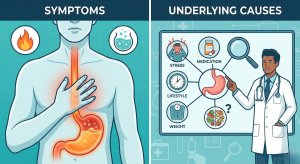
Many people wonder whether stress by itself can harm the heart—or if it only matters when paired with other risk factors. The answer is nuanced: stress alone rarely causes a heart attack in a perfectly healthy individual, but chronic stress significantly interacts with other risk factors, increasing long-term cardiovascular risk. AtWellGen Health, clinicians approach stress not as a “soft lifestyle tip,” but as a measurable factor in heart health, worthy of proactive intervention.
For more insights, read: How Stress Affects Your Heart—Even If Your Numbers Look “Fine”
How Stress Affects the Heart
Stress triggers a natural “fight or flight” response in the body, which is healthy in short bursts:
Heart rate increases
Blood vessels constrict
Hormones like cortisol and adrenaline surge
These changes prepare the body for immediate action. The problem arises when stress is chronic, keeping the body in a near-constant state of activation. Over time, this can contribute to:
Elevated resting heart rate and blood pressure
Increased systemic inflammation
Impaired endothelial function (the lining of blood vessels)
Even when your lab numbers look normal during a routine visit, these physiological changes can quietly add to long-term cardiac risk.
Stress and Other Risk Factors: The Multiplier Effect
Stress rarely acts in isolation. It often interacts with other established cardiovascular risk factors, creating a multiplier effect:
1. Smoking
Stress may trigger cravings or increase consumption, which compounds the cardiovascular strain caused by nicotine, raising blood pressure and heart rate further.
2. Poor Diet
Chronic stress can influence eating behaviors, leading to higher intake of processed foods, sugars, and saturated fats—nutritional patterns that accelerate plaque buildup and metabolic issues.
3. Family History
Individuals with a genetic predisposition to heart disease may be more sensitive to the cardiovascular effects of stress, making early management even more critical.
4. Sedentary Lifestyle
Work-related stress or emotional strain often reduces motivation for exercise, which otherwise helps regulate blood pressure, cholesterol, and heart rate variability.
By addressing stress alongside these other factors, clinicians atCardio-Pulmonary Care services help patients reduce cumulative risk rather than treating numbers alone.
Why Managing Stress Is a Medical Intervention
Many patients underestimate the power of stress management, seeing it as “soft advice” like meditation or lifestyle tweaks. In reality, reducing chronic stress is a legitimate medical intervention. Evidence-based strategies can:
Patients may not always notice the physiological toll of chronic stress. Common signs include:
Persistent elevated heart rate or palpitations
High blood pressure readings despite no prior history
Chest tightness or shortness of breath linked to emotional triggers
Sleep disruption and fatigue
Increased anxiety around minor physical sensations
Early identification allows clinicians to address both mind and body before complications arise.
Integrating Stress Management Into Cardiovascular Care
At WellGen, stress management is fully integrated into routine heart care. This approach includes:
Assessment: Asking patients about work, family, and caregiving stress to understand hidden contributors to cardiac strain.
Intervention: Offering therapy, mindfulness training, or guided physical activity to modulate stress response.
Monitoring: Evaluating heart rate, blood pressure, and other markers over time to track improvement.
Coordination: Collaborating across specialties—primary care, cardiology, mental health—to provide cohesive care.
This model recognizes that treating stress is as much a preventive measure as controlling cholesterol or blood pressure.
Practical Tips to Reduce Heart-Straining Stress
Even small adjustments can have a measurable impact:
Micro-Breaks: Short pauses during work reduce sympathetic nervous system activation.
Movement: Regular exercise lowers stress hormones and supports vascular health.
Sleep Hygiene: Prioritizing restorative sleep helps the heart recover nightly.
Mindfulness Practices: Meditation or deep-breathing exercises reduce heart rate and cortisol levels.
Structured Work Boundaries: Limiting after-hours emails or delegating tasks lowers chronic activation.
Combined, these strategies create a buffer against both emotional and physiological stress.
The Bottom Line
Stress alone rarely triggers a heart attack in someone with perfect cardiovascular health—but chronic stress interacts with multiple risk factors, accelerating long-term heart risk. At WellGen, clinicians view stress management as a critical component of cardiovascular medicine, not optional advice. By assessing, monitoring, and proactively addressing stress alongside lifestyle and medical interventions, patients gain real protection for both heart and mind.