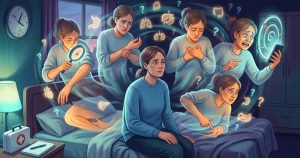

It’s normal to pay attention to your body. A new symptom, a strange sensation, or lingering fatigue can (and should) make you pause and ask questions. But for some people, concern about health doesn’t stop at awareness—it grows into constant fear, repeated reassurance-seeking, and daily distress. This is where reasonable health concern can cross into health anxiety.
Health anxiety isn’t about “imagining” symptoms or being dramatic. It’s a real mental health condition that can coexist with genuine medical issues and significantly affect quality of life. Understanding the difference is the first step toward feeling safer in your body again.
At WellGen Health’s patient-centered care model, physical health and mental well-being are treated as deeply connected. This article breaks down what health anxiety looks like, how it differs from appropriate concern, and when it’s time to seek support.
Reasonable Health Concern vs. Health Anxiety
What Reasonable Health Concern Looks Like
Healthy concern about your health is situational, proportional, and flexible. For example:
- You notice chest discomfort and schedule an appointment.
- You follow medical advice, complete testing, and adjust habits if needed.
- Once reassured, your anxiety decreases and life resumes normally.
Reasonable concern motivates action, not ongoing fear. It helps you engage with care—such as Diagnostic Testing Services or a visit with a trusted provider—without dominating your thoughts.
What Health Anxiety Looks Like
Health anxiety (sometimes called illness anxiety disorder) is marked by persistent fear of serious illness, even after medical evaluation. Common characteristics include:
- Ongoing worry that doesn’t match medical findings
- Difficulty trusting test results or professional reassurance
- Anxiety that returns quickly or never fully settles
Instead of feeling relief after care, people with health anxiety often feel compelled to keep checking, searching, or switching providers in hopes of certainty that never quite comes.
Common Behaviors Linked to Health Anxiety
Health anxiety often shows up in patterns of behavior that temporarily reduce fear—but ultimately make it worse.
Repeated Googling of Symptoms
Searching for symptoms online can feel empowering, but it often fuels anxiety. Search results tend to highlight worst-case scenarios, rare diseases, and alarming possibilities. Over time, symptom Googling becomes:
- Compulsive and difficult to stop
- A source of escalating fear rather than clarity
- A replacement for professional guidance
Even mild or common sensations start to feel threatening.
Doctor Hopping
Another sign of health anxiety is seeing multiple providers for the same concern, especially after receiving normal results. This may include:
- Seeking second, third, or fourth opinions
- Switching clinics or specialties frequently
- Feeling frustrated when providers don’t order more tests
Rather than reassurance, each new visit resets the cycle of fear.
Constant Self-Checking
Many people with health anxiety monitor their bodies continuously. This can include:
- Checking pulse, blood pressure, or oxygen levels multiple times a day
- Repeatedly examining skin, lymph nodes, or breathing patterns
- Mentally scanning the body for “warning signs”
This hypervigilance makes normal sensations feel dangerous, increasing anxiety instead of preventing illness.
How Health Anxiety Can Coexist With Real Medical Conditions
One of the most misunderstood aspects of health anxiety is that it can exist alongside real diagnoses.
You can have diabetes and health anxiety.
You can live with chronic pain and excessive fear about what it means.
You can manage a heart or lung condition and constantly worry that something catastrophic is being missed.
Services like Diabetes & Endocrinology care or Cardio-Pulmonary Care address physical conditions—but health anxiety affects how you interpret every symptom related to them.
For example:
- A normal fluctuation in blood sugar feels like a medical emergency.
- Mild shortness of breath triggers panic rather than problem-solving.
- Chronic pain becomes proof of a feared, worsening disease rather than a managed condition.
This is why integrated care—physical and mental—is essential.
Why Reassurance Often Doesn’t “Stick”
Friends, family, and even clinicians may say, “You’re fine,” or “All your tests were normal.” While well-intentioned, reassurance alone often fails because health anxiety isn’t driven by logic—it’s driven by fear and uncertainty intolerance.
The brain learns:
“I feel anxious → I seek reassurance → anxiety drops briefly → anxiety returns.”
Breaking this cycle requires more than another test. It requires learning how to relate to uncertainty and bodily sensations differently.
When Health Anxiety Starts to Affect Daily Life
Health anxiety may be present if worry about health:
- Takes up hours of your day
- Interferes with work, sleep, or relationships
- Prevents you from exercising or enjoying food
- Leads to frequent urgent visits or missed appointments out of fear
It can also coexist with conditions like insomnia, which further intensifies symptoms. Understanding sleep disruptions through resources like Understanding Sleep Disorders can be an important part of the picture.
The Role of Mental Health Support
Health anxiety is treatable. Evidence-based approaches such as cognitive behavioral therapy (CBT) help people:
- Reduce compulsive checking and reassurance-seeking
- Reinterpret physical sensations realistically
- Build tolerance for uncertainty
- Regain trust in their body and medical care
Accessing Mental Health Support services doesn’t mean your symptoms aren’t real—it means your suffering is being taken seriously.
For many patients, combining mental health care with primary or specialty care leads to better outcomes than addressing either alone.
How Integrated Care Makes a Difference
At WellGen Health, care doesn’t stop at diagnosing or ruling out disease. Through Care Navigation, patients are guided across services so nothing feels fragmented or overwhelming.
You may work with:
- A primary care provider
- Specialists for ongoing conditions
- Mental health professionals
- Wellness and nutrition counselors
This approach helps patients feel supported rather than bounced between appointments.
Providers such as Dr. Jamal Lone focus on listening to the full story—not just symptoms, but fears, patterns, and quality of life—so care plans address the whole person.
What You Can Do If This Sounds Like You
If you recognize yourself in these patterns, consider these first steps:
- Establish one trusted primary care provider
A consistent relationship reduces doctor hopping and builds confidence. Resources like Finding Your Ideal Primary Care Physician can help. - Limit symptom searching
Try setting boundaries around online searches and replace them with planned medical discussions. - Address mental health directly
Health anxiety responds best when treated openly, not minimized. - Use coordinated services
Whether it’s Telemedicine Services or in-person visits, continuity matters.
You Deserve Care That Calms, Not Constant Fear
Worrying about your health doesn’t make you weak—it means you care deeply about your life. But when that worry becomes relentless, it’s a sign that support is needed, not more tests alone.
By combining medical evaluation, mental health support, and coordinated care, it’s possible to move from constant fear to informed confidence.
If you’re ready to explore supportive, whole-person care, you can learn more about WellGen Health’s services, meet our providers, or access the latest insights through the WellGen Health Blog.
Your health deserves attention—but it also deserves peace.
Related Posts