Blood sugar issues don’t usually start with a diabetes diagnosis. For most people, they begin quietly—showing up as daily symptoms that are easy to dismiss as stress, aging, or poor sleep.
AtWellGen Health, providers often see patients who felt “off” for years before blood sugar problems were identified. Recognizing early clues can help prevent progression to insulin resistance, prediabetes, or type 2 diabetes.
This article explores common everyday signs of elevated blood sugar, who is at higher risk, and when it’s time to ask for testing.
If you feel reasonably alert in the morning but hit a wall in the mid-to-late afternoon, fluctuating blood sugar may be a factor.
Large spikes after lunch—especially meals high in refined carbohydrates—can lead to sharp drops later, leaving you tired, foggy, or irritable. These crashes are often one of the earliest signs of impaired glucose regulation.
Providers inDiabetes & Endocrinology frequently evaluate these patterns even when fasting labs appear normal.
2. Intense Carb or Sugar Cravings
Strong cravings for sweets, bread, or sugary drinks—especially late in the day—may reflect unstable blood sugar rather than lack of willpower.
When glucose rises and falls quickly, the brain signals for fast energy, creating a cycle of cravings that reinforces blood sugar swings.
This pattern is commonly addressed through a combination of testing and lifestyle guidance, supported byNutrition & Wellness Counseling.
3. Frequent Urination
Urinating more often than usual—particularly at night—can be an early sign that the body is trying to eliminate excess glucose through the urine.
While many factors can contribute to frequent urination, persistent changes should not be ignored, especially when combined with thirst or fatigue.
4. Constant Thirst or Dry Mouth
Feeling unusually thirsty despite adequate fluid intake may signal elevated blood sugar levels. When glucose levels rise, the body pulls fluid from tissues to dilute the blood, triggering thirst.
This symptom is subtle at first and often overlooked, but it frequently appears alongside other metabolic warning signs.
5. Brain Fog After Meals
Difficulty concentrating, feeling mentally sluggish, or experiencing headaches after eating may be linked to post-meal blood sugar spikes.
These symptoms are often reported by individuals with early insulin resistance and may appear long before abnormal lab values are flagged.
6. Weight Gain Around the Midsection
Blood sugar and insulin imbalance strongly promote fat storage—especially around the abdomen.
Even without overall weight gain, increasing belly fat can signal metabolic strain. This is one reason blood sugar concerns are closely tied to evaluations inWeight Loss Management programs.
7. Feeling “Shaky” When You Don’t Eat
If you feel shaky, irritable, dizzy, or anxious when meals are delayed, it may indicate unstable blood sugar regulation.
This pattern can be a sign that the body is struggling to maintain steady glucose levels between meals.
Who Is at Higher Risk for Blood Sugar Issues?
You may be at higher risk even if you feel generally healthy, especially if you have:
A family history of diabetes
PCOS or other hormonal conditions
Overweight or central (belly) fat
A sedentary lifestyle
A history of gestational diabetes
Chronic stress or poor sleep
These risk factors often overlap with broader metabolic concerns discussed in our main article on metabolic health.
When to Ask for Blood Sugar Testing
You should consider asking for testing if:
Several of the symptoms above apply to you
Symptoms persist despite lifestyle changes
You have risk factors plus subtle symptoms
Your energy, weight, or cravings have changed over time
Testing may include:
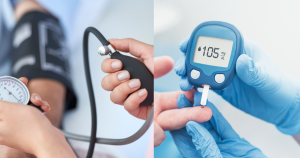
Fasting glucose
HbA1c (A1c) to assess longer-term blood sugar trends
Blood sugar problems often develop gradually. Catching them early allows for:
Lifestyle-based intervention
Prevention of progression to diabetes
Reduced cardiovascular and metabolic risk
WellGen supports proactive monitoring and follow-up throughCare Navigation, helping patients act before symptoms escalate.
Final Takeaway: Small Symptoms Can Signal Bigger Patterns
Afternoon crashes, cravings, thirst, and belly weight are not just inconveniences—they may be early metabolic signals.
Addressing these signs early fits into the larger goal of protecting long-term metabolic health, as outlined in our main article on metabolic health warning signs most people ignore.
If you recognize these patterns, a preventive visit—either in person or throughTelemedicine Services—can help clarify whether blood sugar imbalance is playing a role and what steps to take next.